We are solving the world's sodium problem.
With the only plant-based, food-grade potassium chloride, harvested from seaweed in Indonesia.
Salt is in almost every meal on Earth.
And most of us eat far too much of it.
The WHO recommends less than 5 g.
Salt is in almost every meal on Earth.
And most of us eat far too much of it.
of table salt a day, on average.
The WHO recommends less than 5 g.
Tap a dish to show its salt.
deaths a year could be prevented by switching to potassium-enriched salt.
new cases of heart and kidney disease a year, too.
One case every 3 seconds. Since you opened this page: 0
The solution is one row below.
Sodium, element 11. Too much of it in our food.
Potassium sits right below it. It bonds with chloride the same way.
Table salt is sodium chloride.
NaCl. Our body needs a little sodium. Too much of it raises blood pressure.
Potassium chloride is a salt too.
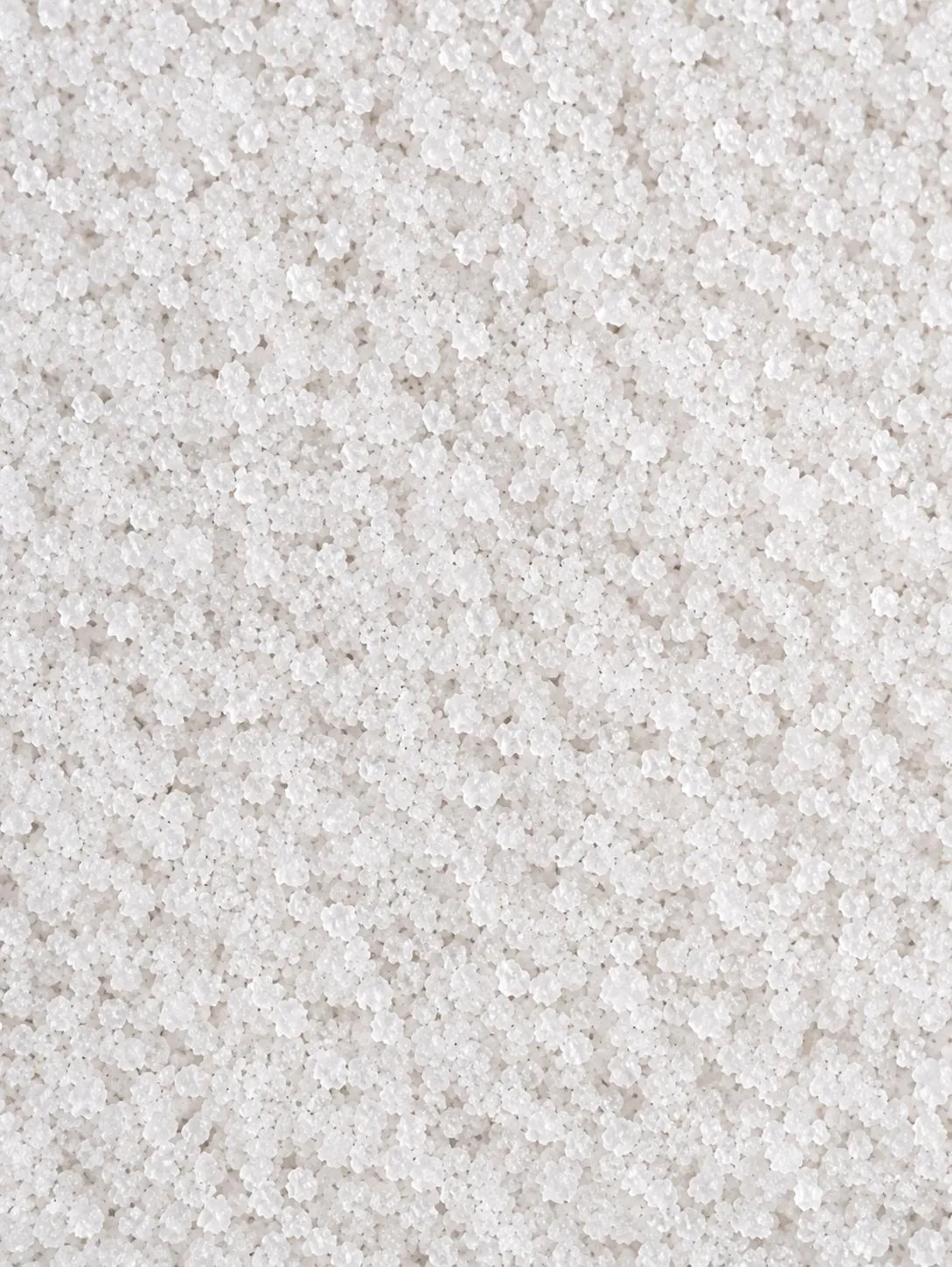
KCl. Same cubic crystal, salty taste. Potassium takes the place of sodium.
Swap one part of NaCl for KCl: less sodium, still salty.
The chemistry is solved.
Supply is not.
Today, food-grade KCl is mined or drawn from salt lakes: Canada, Russia, Belarus, Germany, the Dead Sea and Chile. Southeast Asia imports every kilo.
From 2028, a new source.
Salt the world needs, grown in the sea.
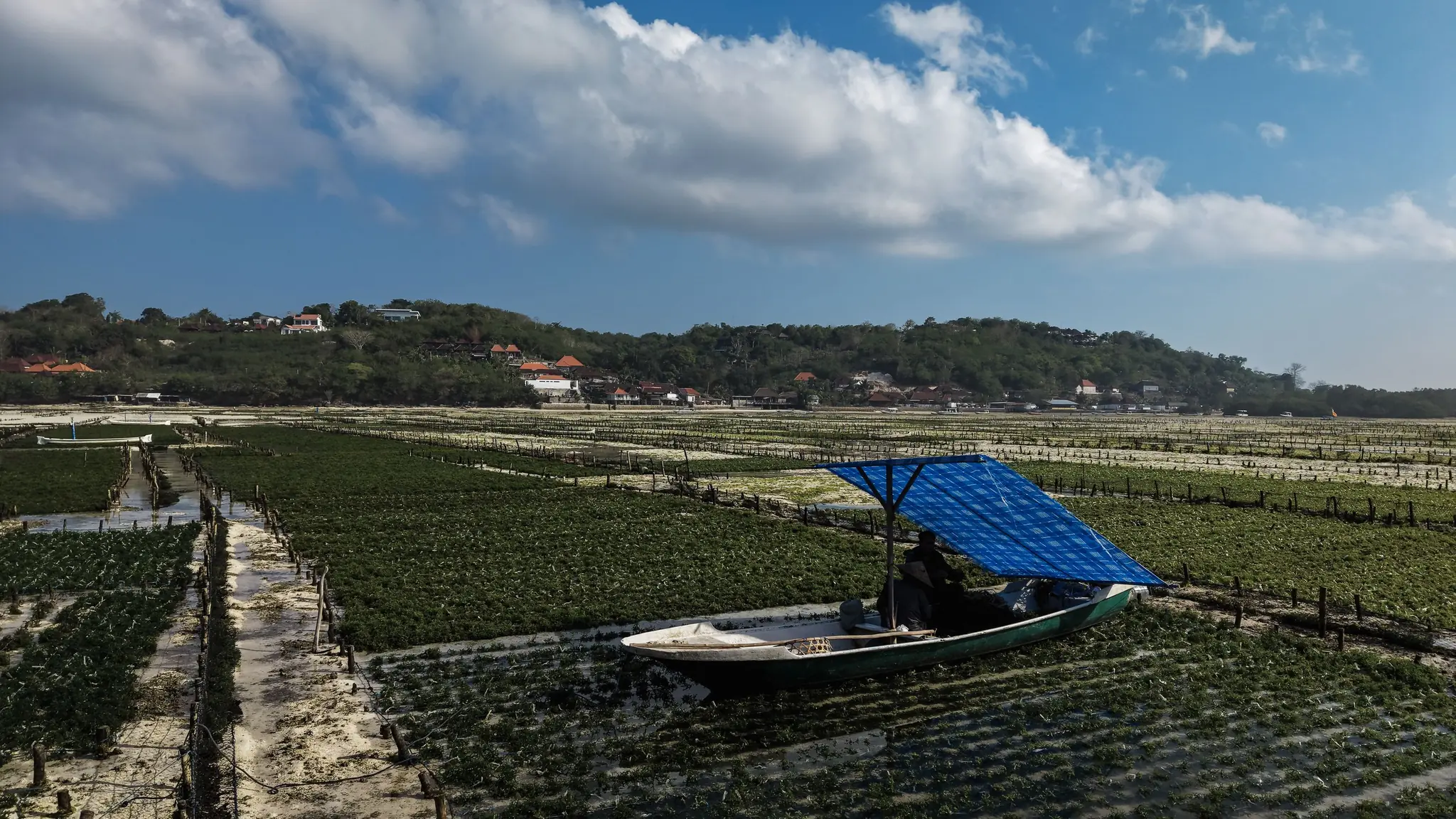
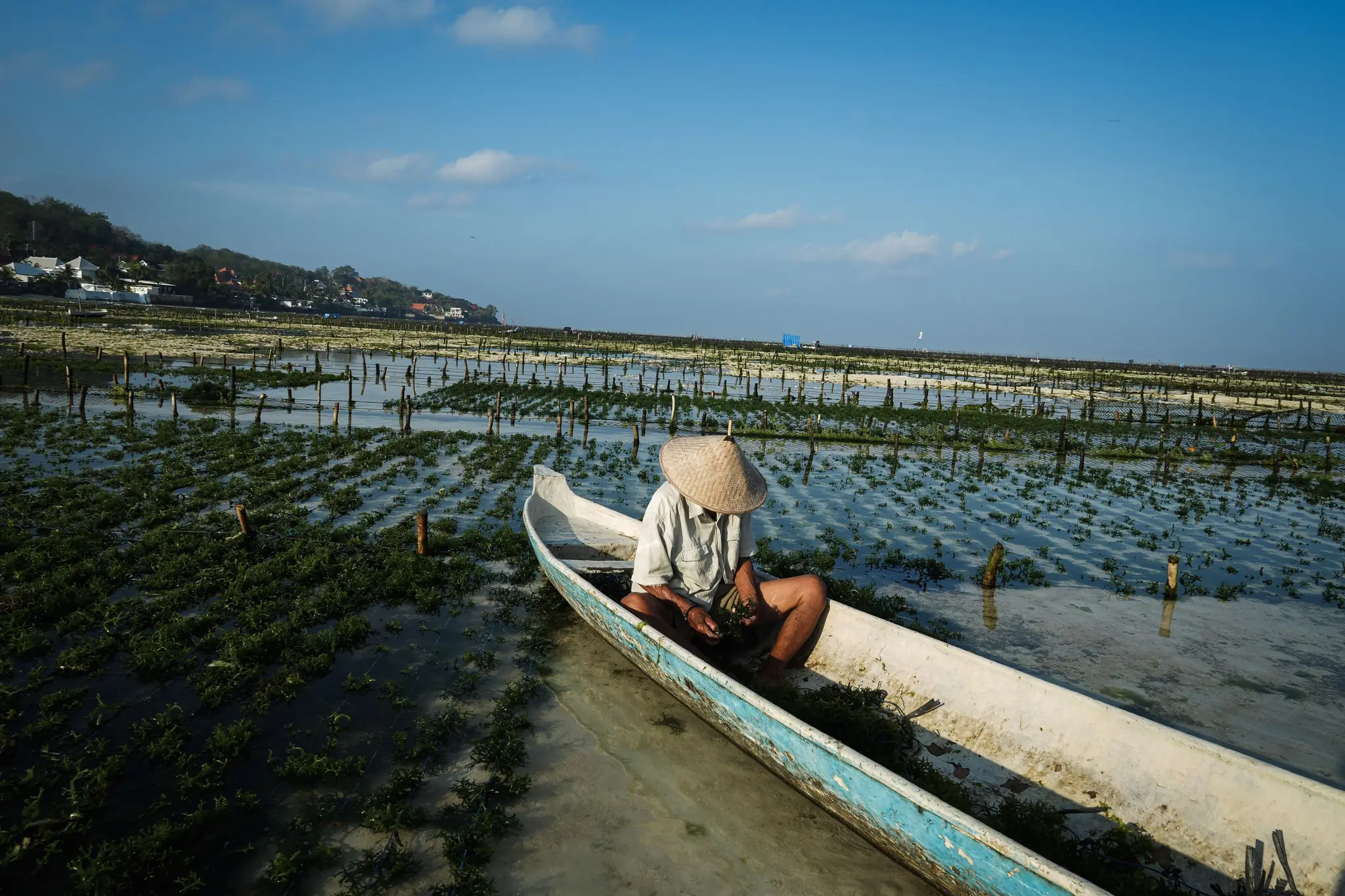
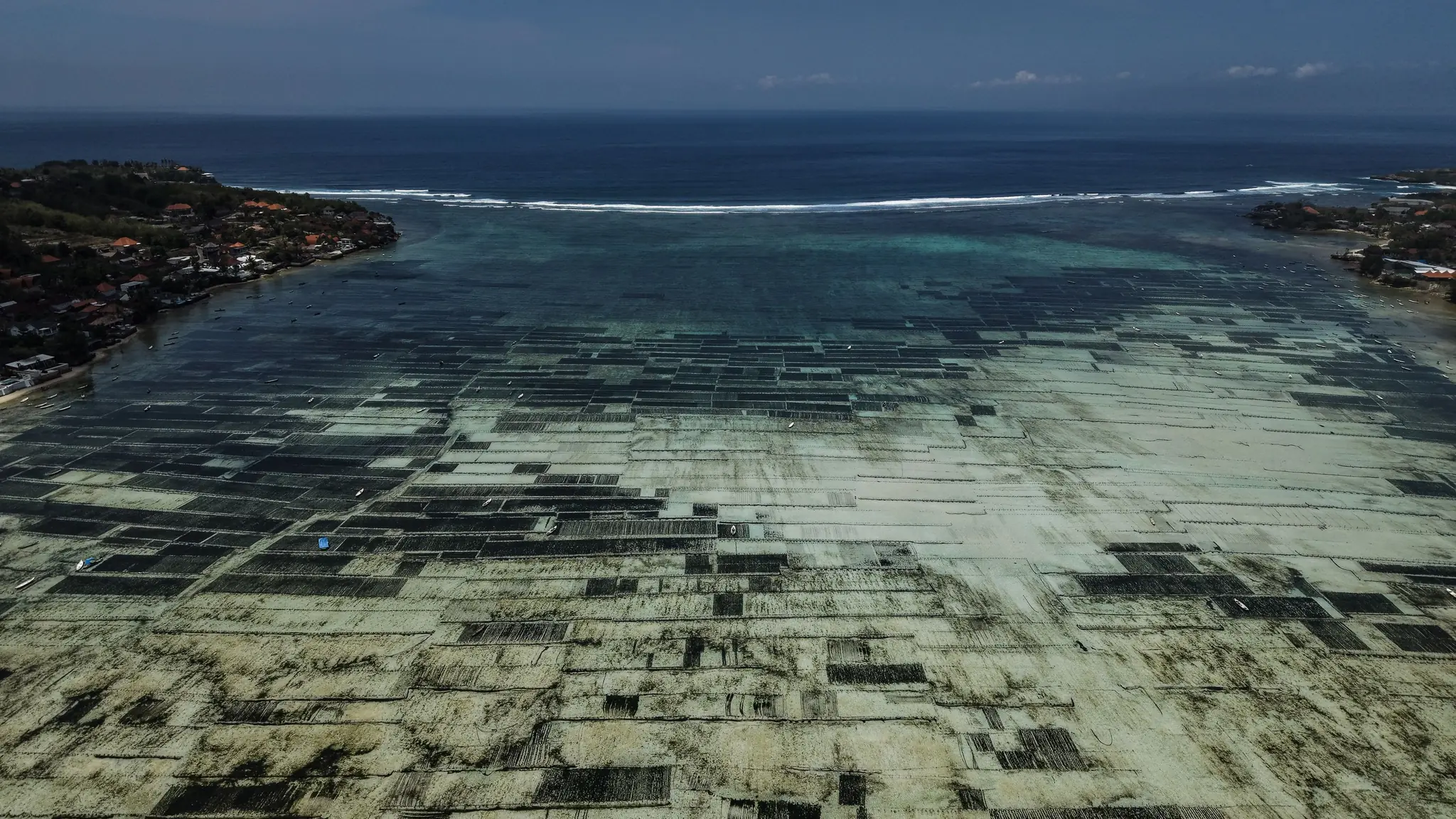
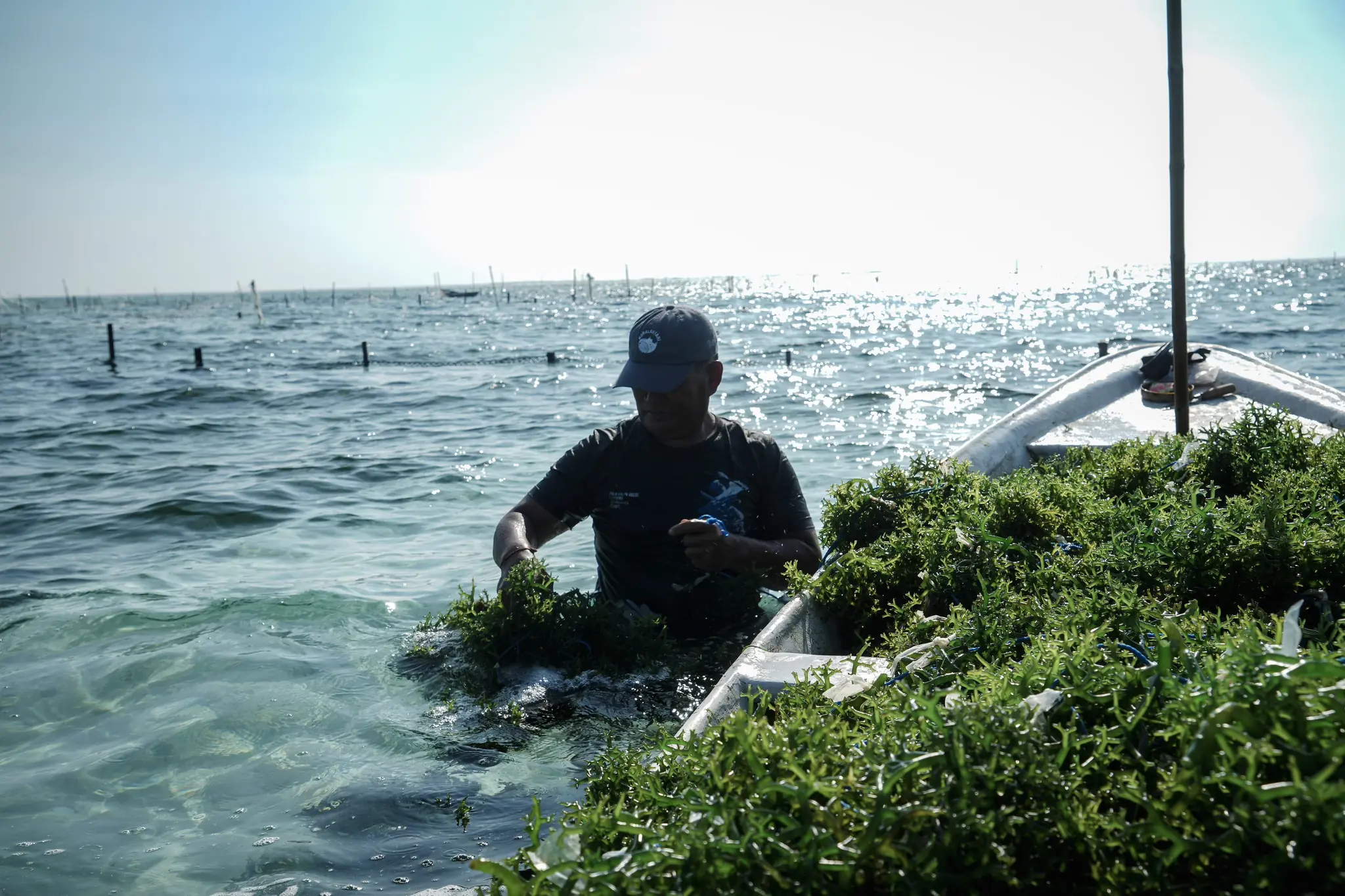
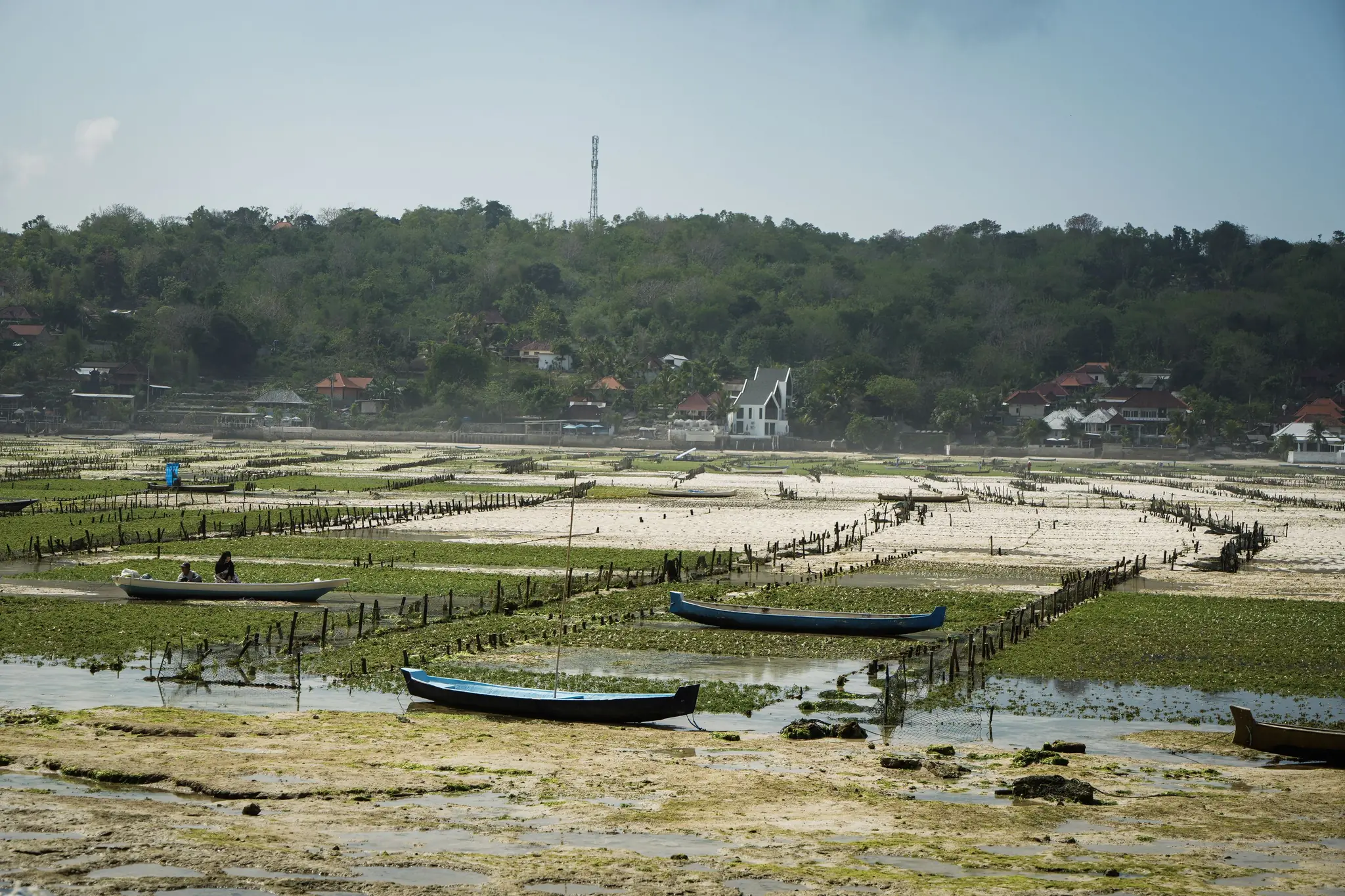
On seaweed cultivation lines in Indonesia, harvested every 45 days.
Harvested, not mined.
The only plant-based, food-grade potassium chloride.
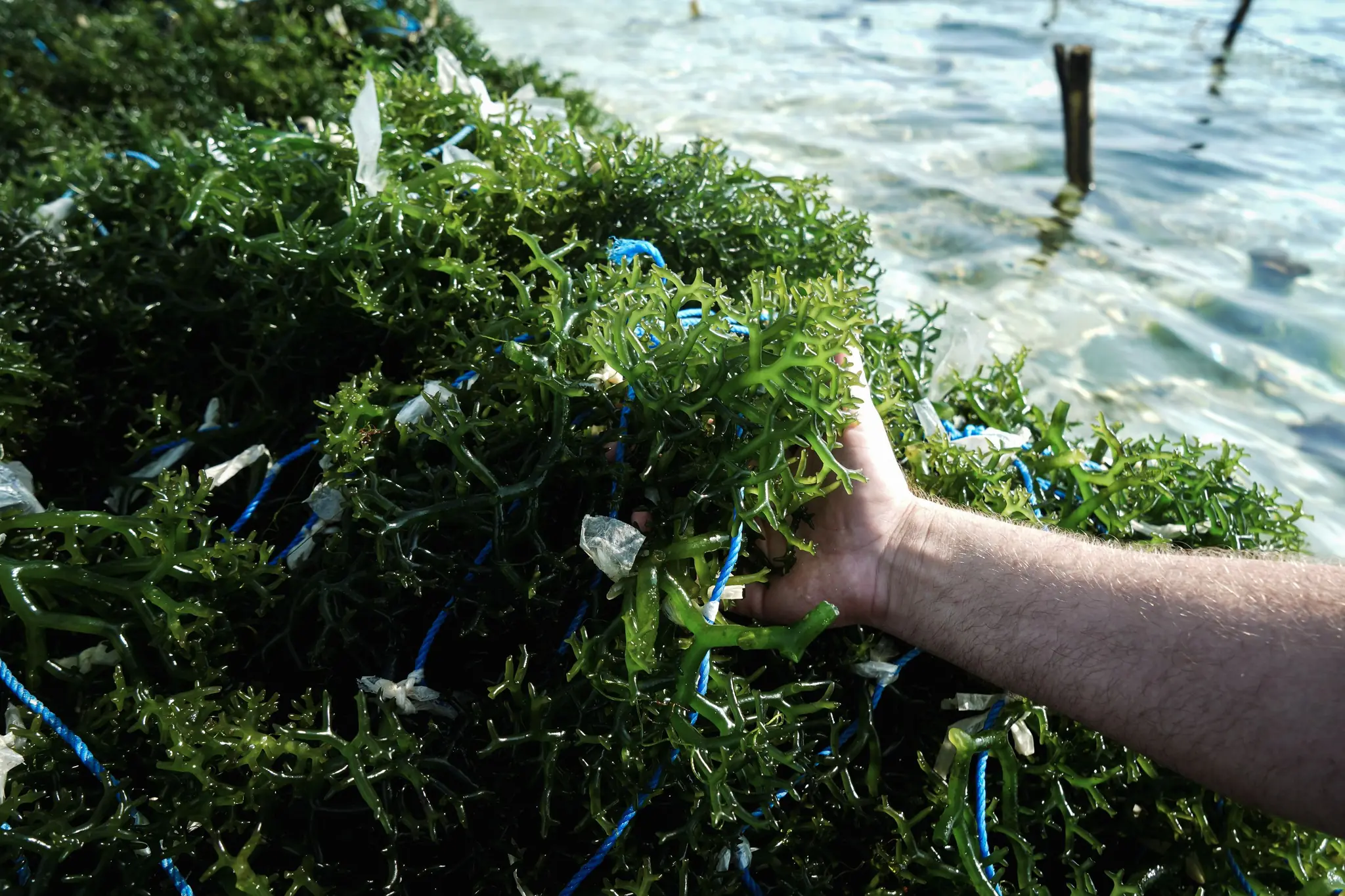
Seaweed
Farmers grow red seaweed on cultivation lines in the sea. Processors extract carrageenan from it.
The side-stream
A residue rich in potassium salts is left over. Until now, it went unused.
Potassium chloride
We refine that residue into food-grade KCl. Circular and economically viable.
Process engineering with K-UTEC, Germany · 3 patent applications, 2 under PCT.
- 01Seaweed
- 02The side-stream
- 03Potassium chloride
Tap a pin.
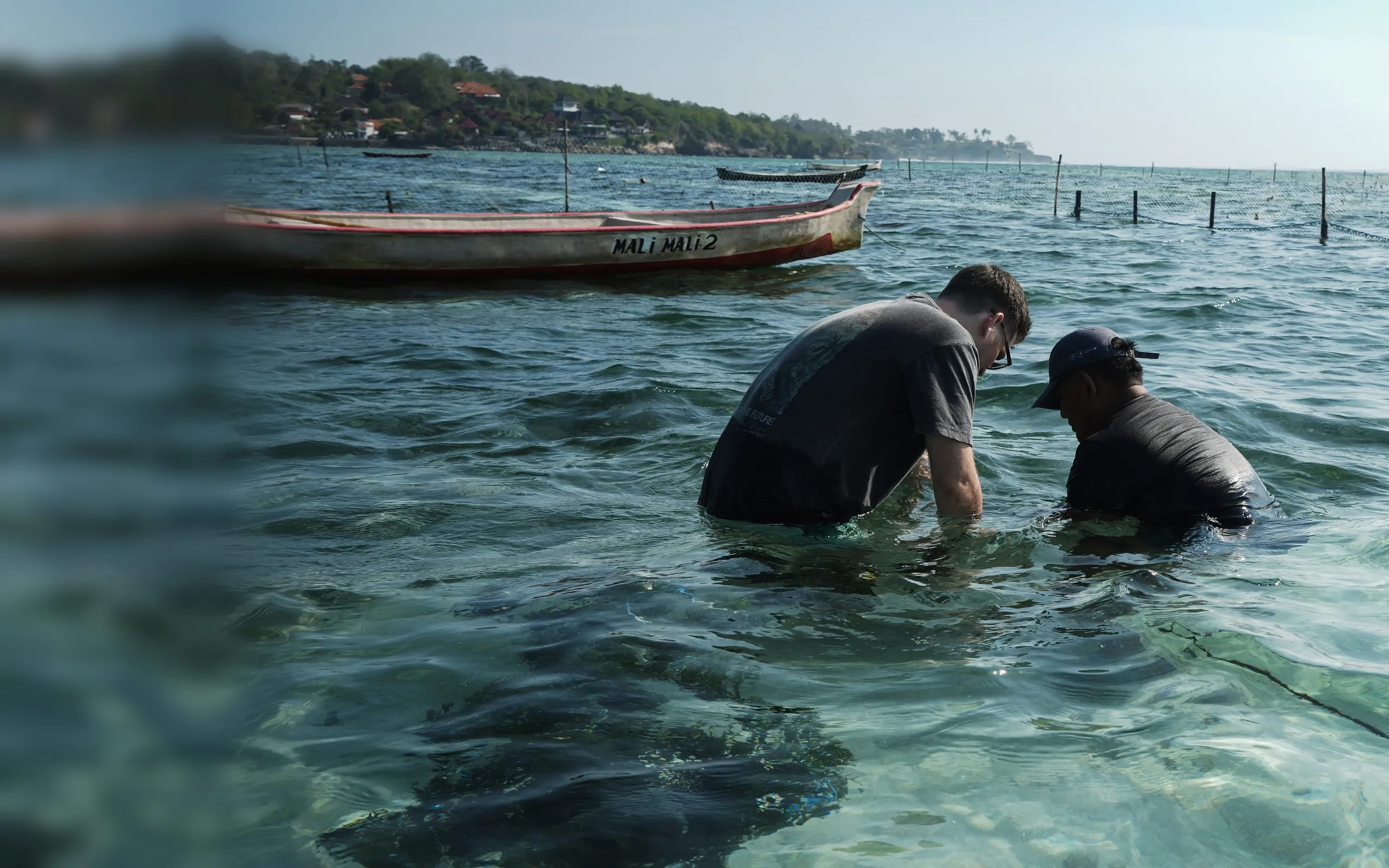
Meet the people.
Indonesia is the world's largest producer of carrageenan seaweed. Our plant is planned right next to it.
Impact you can verify.
Less sodium in food.
A residue put to use.
More value from the same harvest.
The solution exists.
This solution needs to reach eight billion people.
That's our mission.
First harvest 2028.
Then the world.
70,000 t of KCl a year by 2036. Our goal.

This is where our salt grows.
Every crystal starts with seaweed grown by local families on lines like these and harvested every 45 days.